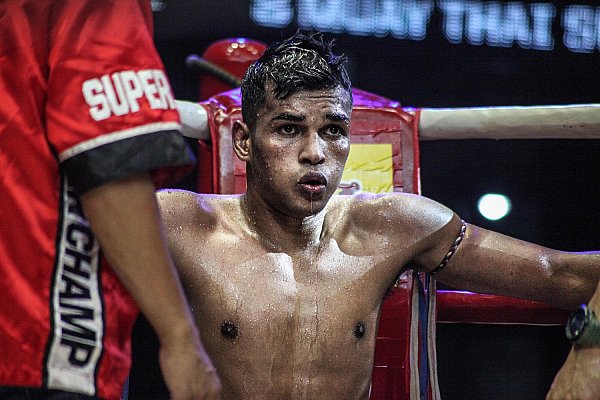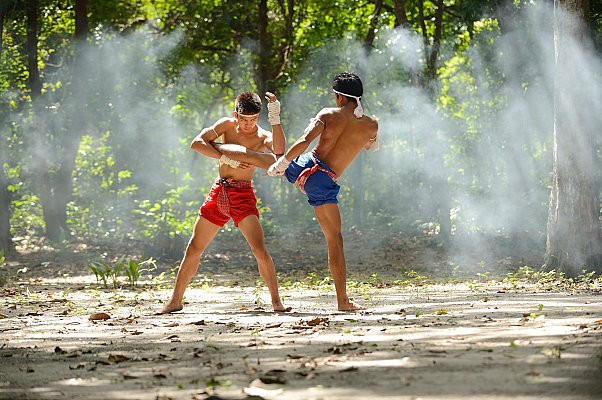
Burmese boxing, widely known as Lethwei, is a traditional martial art originating from Myanmar (formerly Burma) and is recognised across the world as one of the most intense and brutal combat sports still practised today. Often referred to as bare-knuckle boxing, Lethwei stands apart from other striking disciplines such as Muay Thai, kickboxing, or Western boxing due to its exceptionally permissive ruleset. Fighters are allowed to use headbutts, elbows, knees, punches, and clinch techniques, all delivered without gloves, relying only on light hand wraps or tape.
What truly defines Lethwei is its raw and uncompromising nature. Matches take place in a ring, usually over several long rounds, where knockouts and physical dominance are central to victory. There is no emphasis on points alone, instead, strength, endurance, aggression, and mental resilience play a decisive role. Because of this, Lethwei fighters must develop outstanding physical conditioning, pain tolerance, and tactical awareness, making preparation and training far more demanding than in many other martial arts.
Rooted deeply in Burmese culture and national identity, Lethwei has historically been practised during festivals, military training, and traditional competitions. Today, it has evolved into an international combat sport, attracting fighters from Asia, Europe, and beyond, including both male and female competitors. However, the combination of full-contact fighting, bare hands, and permitted headbutts significantly increases the risk of injury. As a result, proper training supervision, protective measures, and specialised insurance coverage are essential for anyone practising or competing in Burmese boxing, whether at amateur level or in professional championships.
Lethwei is not simply a sport, it is a test of character, resilience, and cultural heritage, demanding respect, discipline, and serious preparation from every fighter who steps into the ring.